Frequently Asked Questions – North Annapurna Base Camp (North ABC) Trek
1. What is the North Annapurna Base Camp (North ABC) Trek?
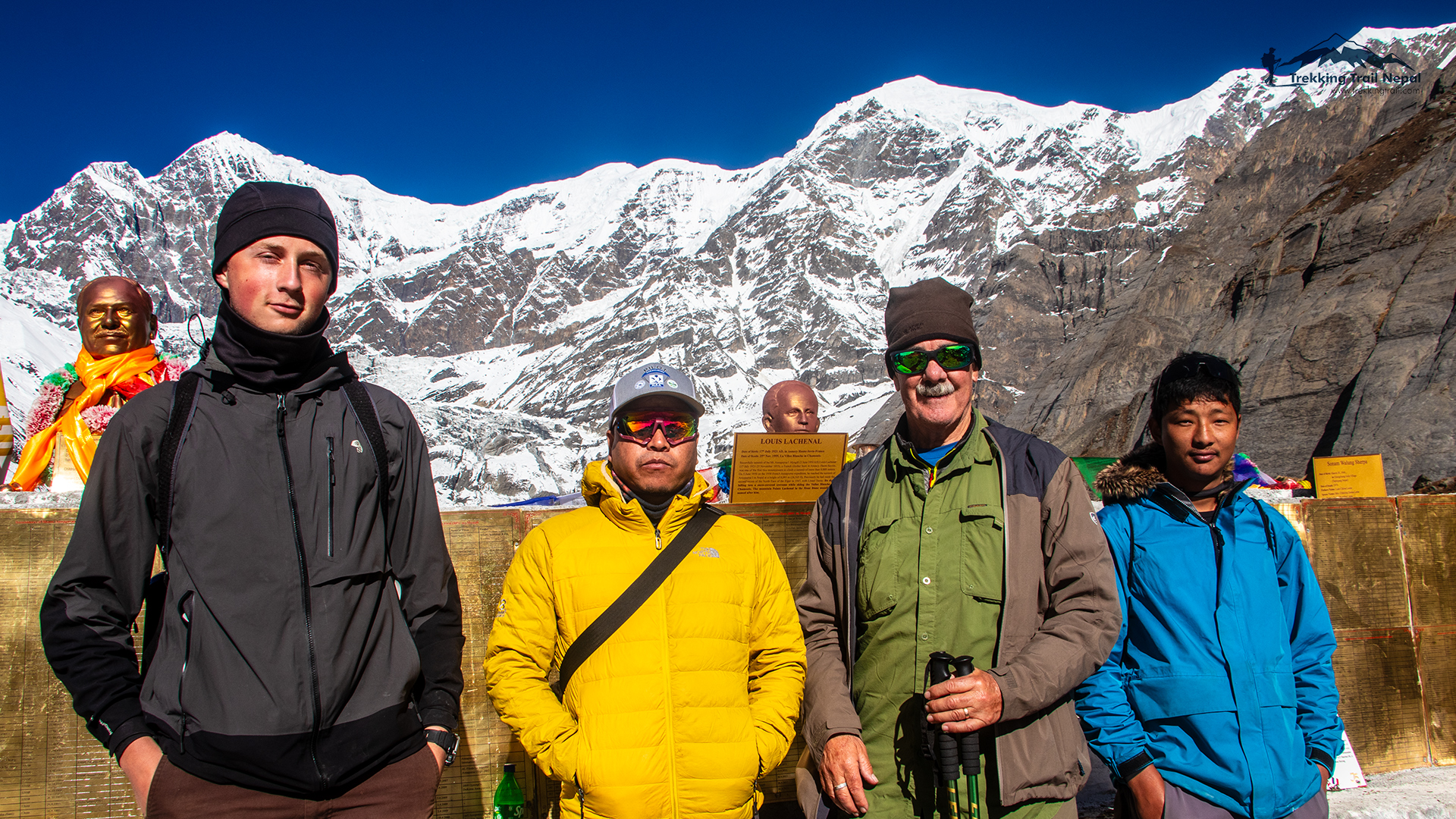
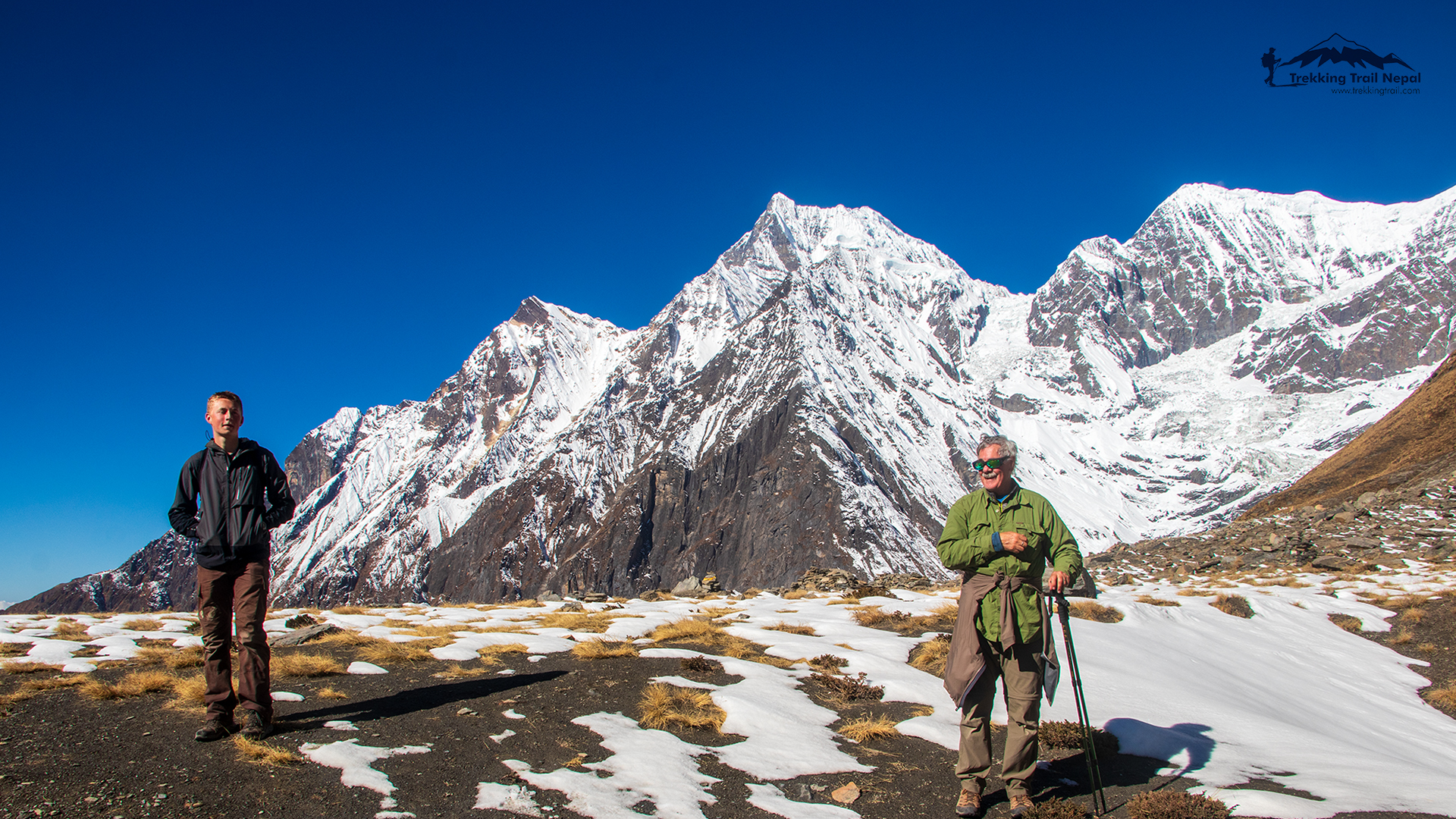
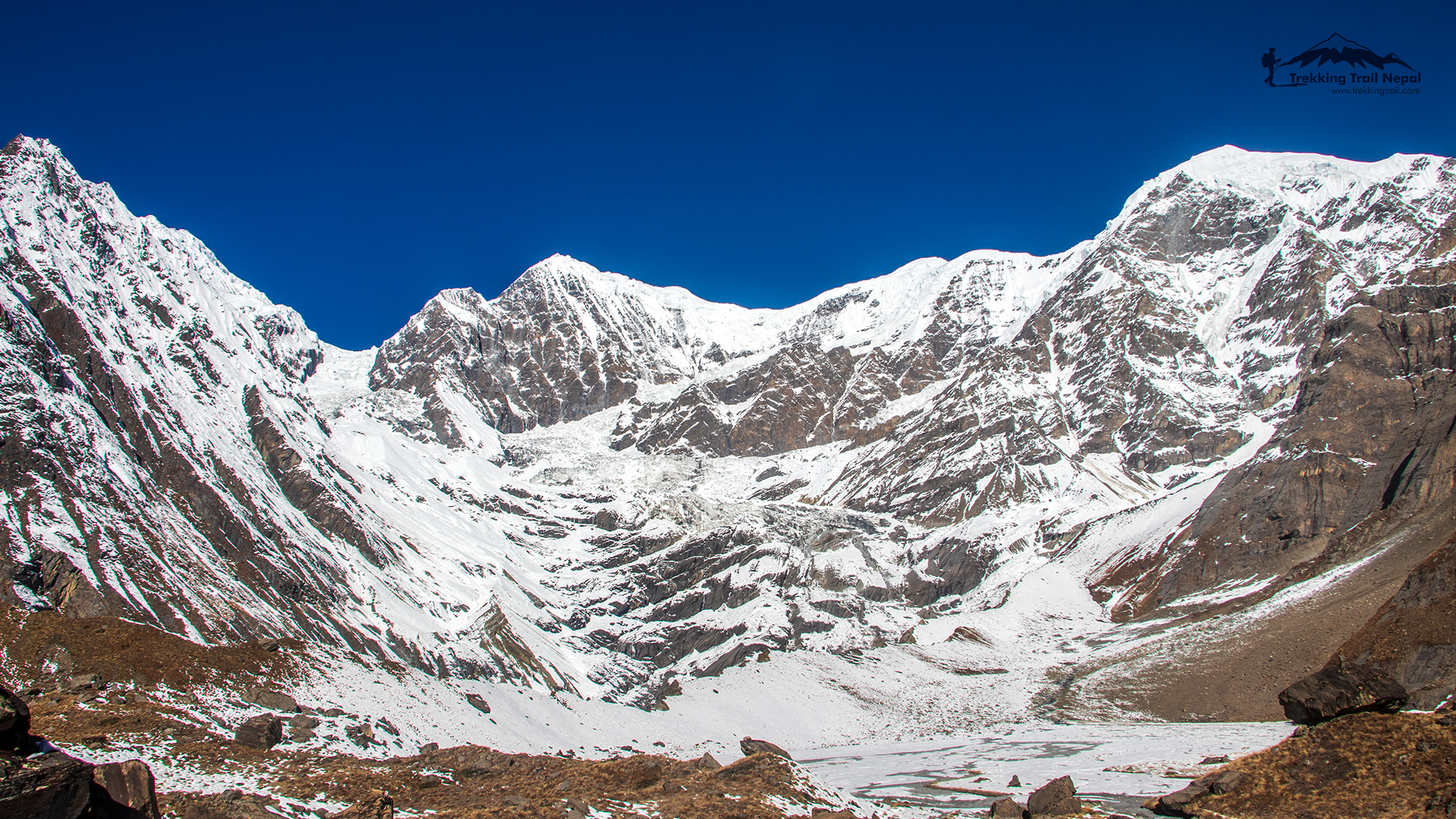
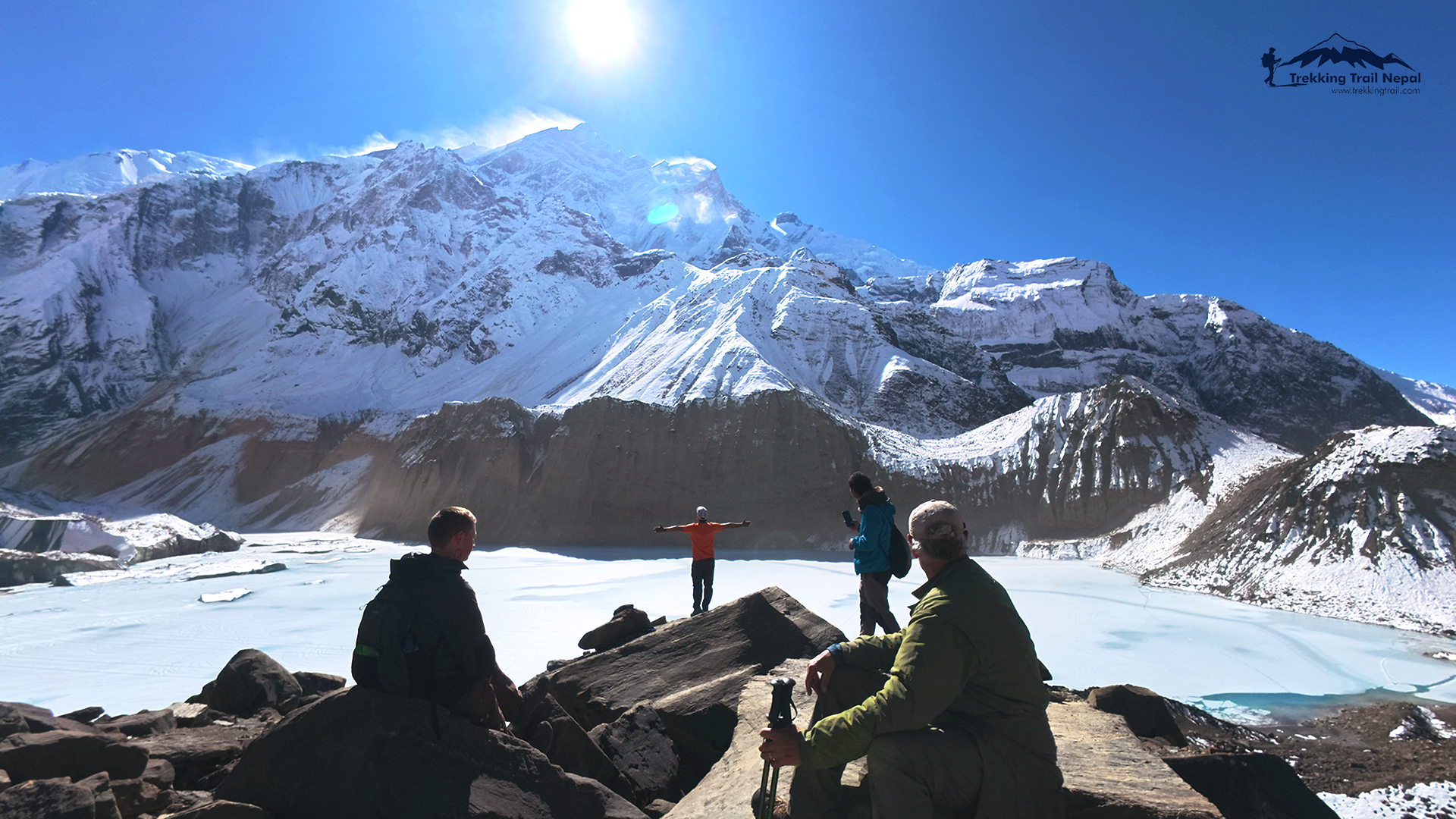
The North Annapurna Base Camp Trek, also known as North ABC Trek, is a remote and off-the-beaten-path trek in the Annapurna region of Nepal. It follows the historic Maurice Herzog Trail (1950 Annapurna expedition) and leads trekkers to the dramatic north face of Annapurna I. This trek is less crowded, more adventurous, and ideal for trekkers looking for wilderness, glaciers, and raw Himalayan landscapes.
2. Where is North ABC located in Nepal?
North ABC is located in Myagdi District, north of Annapurna I, in western Nepal. It lies above Humkhola, opposite the classic Annapurna Base Camp route. The area is remote, untouched, and rarely visited, making it perfect for trekkers seeking a true Himalayan expedition experience.
3. What is the altitude of North Annapurna Base Camp?
The altitude of North Annapurna Base Camp is approximately 4,190 meters (13,746 ft). Due to the rapid altitude gain, proper acclimatization is important. The trek is best suited for trekkers with prior high-altitude experience or good physical fitness.
4. How difficult is the North ABC Trek?
The North ABC Trek difficulty ranges from moderate to challenging. The trail includes river crossings, landslide zones, steep ascents, and basic camping conditions. It is more demanding than the regular ABC trek and recommended for adventurous trekkers rather than beginners.
5. What is the best North ABC trek itinerary?
A common North ABC trek itinerary ranges from 3 to 5 days, depending on starting point and pace. Longer itineraries allow better acclimatization and exploration. The route usually starts from Humkhola and follows Miristi Khola to the base camp.
3 Days North Annapurna Base Camp Trek Itinerary:
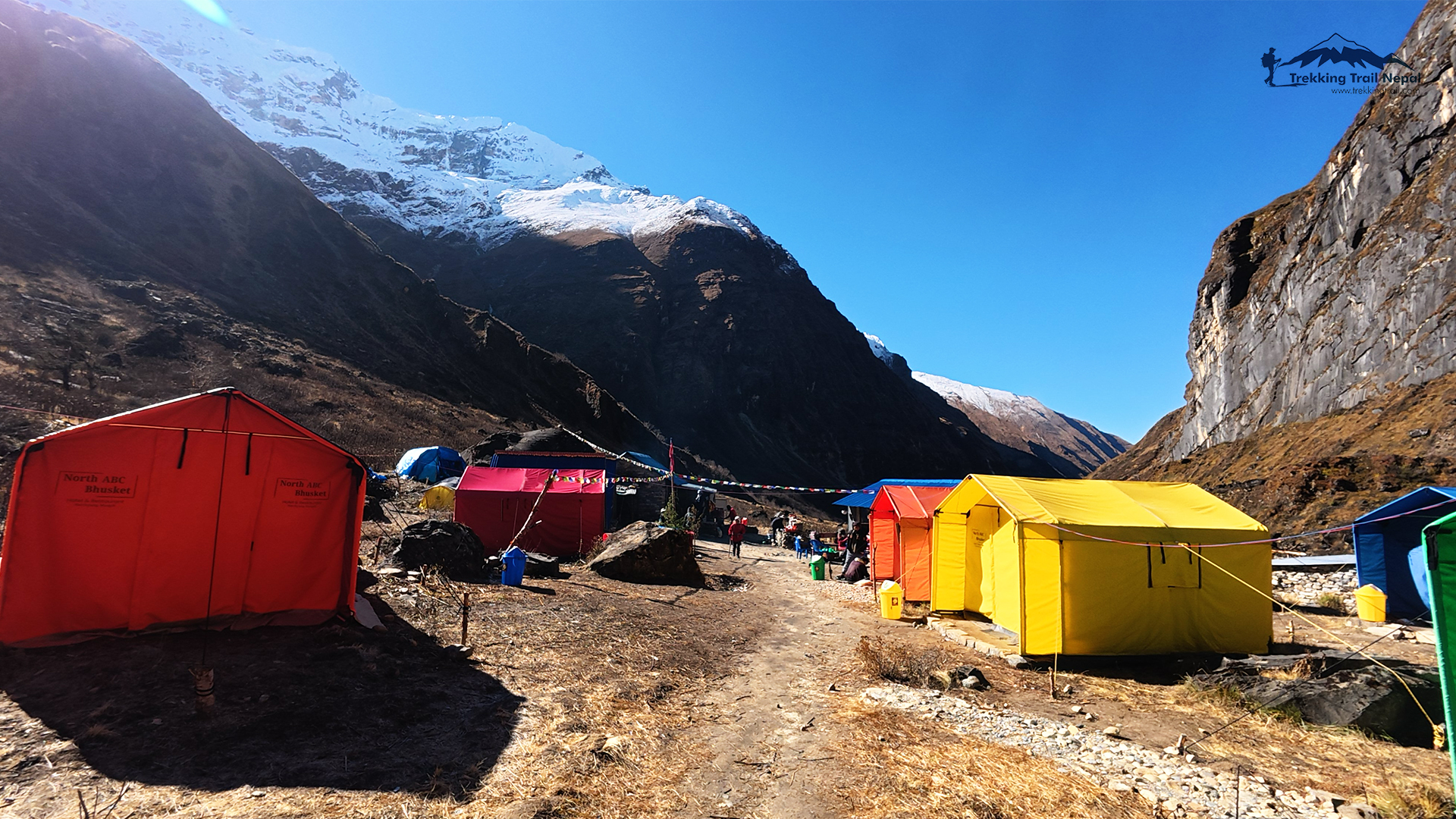
Day 1: Drive from Pokhara to Hum Khola and Trek to Busket Mela.
Day 2: Trek to Pancha Kunda and Explore North Annapurna Base Camp and back to Busket Mela.
Day 3: Trek back to Hum Khola and drive to Tatopani and continue to Pokhara.
6. What is the North ABC trek route?
The North ABC trek route usually goes:
Pokhara – Beni – Tatopani – Humkhola – Gupha Phant – Busket Mela – Pancha Kunda – North Annapurna Base Camp. This route follows the historic Maurice Herzog trail and offers stunning views of the Annapurna North Face.
7. How far is Pokhara to Humkhola?
The distance from Pokhara to Humkhola is around 128 km, depending on the route. It takes about 4-6 hours by jeepvia Beni and Tatopani. Road conditions vary with season.
8. What is the distance from Humkhola to North ABC?
The Humkhola to North ABC distance is approximately 15 km, depending on campsite selection. It usually takes 2 trekking days due to altitude gain and trail conditions.
9. What is the Maurice Herzog Trail?
The Maurice Herzog Trail is the historic route used during the first ascent of Annapurna in 1950. Today, it forms the base of the North ABC trek and holds great historical and mountaineering significance.
10. What is the best season for the North ABC Trek?
The best seasons for the North Annapurna Base Camp Trek are spring (March–May) and autumn (September–November). The weather is stable, visibility is clear, and trail conditions are safer.
11. How much does the North ABC trek cost?
The North ABC trek cost depends on group size, duration, and services. On average, it ranges from USD 548 to 880 per person, including guide, permits, camping, food, and transport.
12. Is camping required on the North ABC Trek?
NO, the North Annapurna Base Camp trek does not require camping. There are basic teahouses throughout the trail with essential accommodation and food.
13. Are there lakes near North ABC?
Yes, trekkers may see glacial lakes near North ABC, including the sacred Pancha Kunda Lake.
14. What is the current situation at North Annapurna Base Camp?
The current situation at North ABC changes seasonally due to landslides and weather. It is always recommended to trek with a local guide and check the latest trail conditions before departure.
North Annapurna Base Camp Trek Weather: Best Seasons and Conditions
The weather in the high Himalayas, particularly at the North Annapurna Base Camp, is notoriously unpredictable. However, certain seasons offer more favorable conditions for trekkers.
Autumn and Spring: Ideal Trekking Seasons:
Most trekkers prefer the Autumn (September to November) and Spring (March to May) seasons. During these times, the weather is typically stable, with clear skies and minimal rainfall. Snowfall is also rare, making it easier to navigate the trails and enjoy the stunning mountain views.
Weather Challenges at High Altitude
Even during the best seasons, trekkers should be prepared for sudden weather changes. At high altitudes, fog is a common occurrence and can obscure the breathtaking vistas of the Himalayas. This is why many trekkers choose to hike when there is a lower chance of fog and precipitation, ensuring they can fully appreciate the scenery.
Planning Your Trek
When planning your North Annapurna Base Camp trek, consider these weather patterns to maximize your experience. The clear skies and mild temperatures of Autumn and Spring provide the best opportunities for a successful and enjoyable trek.
North Annapurna Base Camp Trek Permits: All You Need to Know About Annapurna Conservation Area Permits and TIMS
Embarking on the North Annapurna Base Camp Trek is a thrilling adventure that requires careful planning and preparation. One crucial aspect of this preparation is understanding and obtaining the necessary permits. Here's a comprehensive guide to the permits you need for the North Annapurna Base Camp Trek.
Annapurna Conservation Area Permit (ACAP)
To trek in the Annapurna region, you must secure the Annapurna Conservation Area Permit (ACAP). This permit is essential for preserving the natural and cultural heritage of the Annapurna Conservation Area. The cost for the ACAP is typically around US$ 25 per person. The fee contributes to the maintenance of trails, conservation efforts, and the well-being of local communities.
Trekkers’ Information Management System (TIMS)
In addition to the ACAP, trekkers must also obtain the Trekkers' Information Management System (TIMS) card. The TIMS card helps track trekkers in the region, enhancing their safety and security. It is mandatory for all trekkers and can be obtained through registered trekking agencies or the Nepal Tourism Board.
Why Are These Permits Important?
The ACAP and TIMS permits serve several essential purposes:
Conservation: The fees collected support environmental conservation efforts in the Annapurna region.
Safety: The TIMS card ensures trekkers can be tracked in case of emergencies.
Community Support: Funds from the permits aid in the development and well-being of local communities within the conservation area.
How to Obtain Your Permits
- Visit the Nepal Tourism Board: You can apply for both permits at the Nepal Tourism Board offices in Kathmandu or Pokhara.
- Through a Trekking Agency: If you are trekking with a registered agency, they will typically handle the permit process for you, Trekking Trail Nepal will care of all these requirements for your North Annapurna Base Camp Trek.
- Online Application: Some permits can be applied for online through official websites, simplifying the process before you arrive in Nepal.
Trekking Equipment for North Annapurna Base Camp Trek:
Trekking to the North Base Camp of Annapurna I offers a thrilling adventure in a pristine natural environment. This route is rarely trekked, making it essential to plan carefully. We highly recommend trekking with a professional agency due to the remote and challenging nature of this trail. Trekking Trail Nepal will cover all, just take the personal items that will make your adventure comfortable.
Essential Camping Gear
- Tents: Since there are no tea houses along the route, you'll need durable, weather-resistant tents for shelter.
- Sleeping Bags: Choose high-quality sleeping bags rated for low temperatures to stay warm during cold nights.
- Cooking Equipment: A portable food cooking stove and fuel are crucial for preparing meals. Ensure you bring enough supplies for the entire trek.
Personal Gear and Clothing
- Layered Clothing: Pack moisture-wicking base layers, insulating mid-layers, and a waterproof outer layer to adapt to varying weather conditions.
- Footwear: Sturdy, waterproof trekking boots with good ankle support are essential. Bring extra socks to keep your feet dry.
- Backpack: A comfortable, well-fitted backpack with a capacity of at least 50 liters to carry your gear.
- Accessories: Hats, gloves, sunglasses, and sunscreen to protect against the sun and cold.
Navigation and Safety
- Maps and Compass: Since few guides know the route, reliable navigation tools are a must.
- First Aid Kit: A comprehensive first aid kit tailored for high-altitude trekking can be lifesaving.
- Communication Devices: Satellite phones or GPS devices for emergency communication.
Additional Items
- Water Purification: Portable water filters or purification tablets to ensure safe drinking water.
- Trekking Poles: These can help maintain balance and reduce strain on your legs during steep ascents and descents.
- Headlamp: A reliable headlamp with extra batteries for nighttime visibility.
For a detailed packing list and more information on trekking to North Annapurna Base Camp, Trekking Gear Checklist. Planning ahead and having the right equipment will ensure a safe and enjoyable trek. Happy Adventure with Trekking Trail Nepal.
Alternative 9-Day Itinerary for North Annapurna Base Camp Trek
Day 1: Drive from Pokhara to Tatopani
Duration: 5 Hours
Max Altitude: 1,190 m
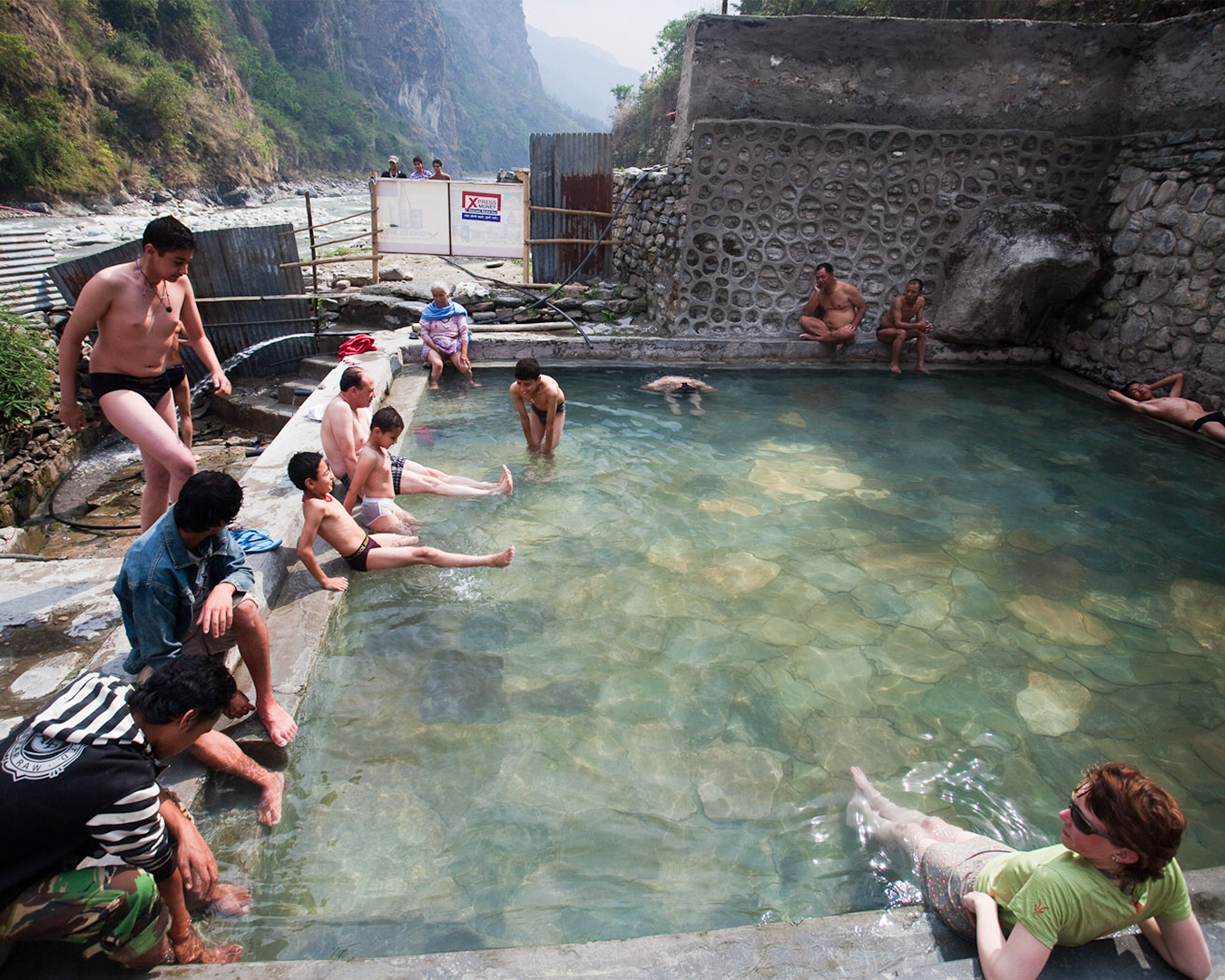
Begin your North Annapurna Base Camp trek with a scenic 5-hour drive from Pokhara to Tatopani. Enjoy the lush greenery, rhododendron forests, and panoramic Himalayan views along the way. We’ll make a few stops for photos and refreshments before settling into a guesthouse in Tatopani, where you can relax and unwind in the natural hot springs.
Meals: Breakfast, Lunch, & Dinner
Accommodation: Tea House/Guest House
Day 2: Trek from Tatopani to Ghasa
Duration: 5-6 Hours
Max Altitude: 2,012 m
After breakfast, we’ll start our trek to Ghasa. Though transportation is available, trekking is recommended for better acclimatization. The trail takes you through charming villages, lush forests, and scenic waterfalls. Overnight in a tea house in Ghasa.
Meals: Breakfast, Lunch, & Dinner
Accommodation: Tea House/Guest House
Day 3: Trek from Ghasa to Lete
Duration: 5-6 Hours
Max Altitude: 2,438 m
Continue your trek from Ghasa to Lete, a Himalayan village surrounded by the Annapurna, Dhaulagiri, and Nilgiri ranges. While transportation is available, we suggest trekking to fully enjoy the landscape. Spend the night in a tea house in Lete.
Meals: Breakfast, Lunch, & Dinner
Accommodation: Tea House/Guest House
Day 4: Trek from Lete to Thulo Bugin
Duration: 4 Hours
Max Altitude: 3,260 m
Trek from Lete to Thulo Bugin, gaining 822 meters in altitude. This shorter trek will reveal changes in the landscape. Camp in Thulo Bugin for the night, with meals prepared by the camping team.
Meals: Breakfast, Lunch, & Dinner
Accommodation: Tented Camp
Day 5: Trek from Thulo Bugin to Miristi Khola
Duration: 6-7 Hours
Max Altitude: 4,400 m
Cross the Thulo Bugin Pass (4,400 m), the highest point of the trek. The trek to Miristi Khola involves gaining altitude gradually. Camp by the river at Miristi Khola and enjoy stargazing and the soothing sounds of the river.
Meals: Breakfast, Lunch, & Dinner
Accommodation: Tented Camp
Day 6: Trek from Miristi Khola to Annapurna North Base Camp
Duration: 6-7 Hours
Max Altitude: 4,190 m
Trek to the Annapurna North Base Camp, navigating through challenging trails. Enjoy the pristine wilderness, campfire, and stunning sunset views over the Himalayas.
Meals: Breakfast, Lunch, & Dinner
Accommodation: Tented Camp
Day 7: Trek from Annapurna North Base Camp to Chhote Pa
Duration: 7-8 Hours
Max Altitude: 2,455 m
Depart early to witness the sunrise before trekking to Chhote Pa. This longer trek involves crossing icy paths, rockfalls, and lush green hills. Camp overnight in Chhote Pa, the last camp of the trek.
Meals: Breakfast, Lunch, & Dinner
Accommodation: Tented Camp
Day 8: Trek from Chhote Pa to Tatopani
Duration: 6-7 Hours
Max Altitude: 1,190 m
Trek back to Tatopani, passing through villages and farmlands. Enjoy the diverse local culture and lush green valleys. Spend the night in a guesthouse and relax in the hot springs.
Meals: Breakfast, Lunch, & Dinner
Accommodation: Tea House/Guest House
Day 9: Drive from Tatopani to Pokhara
Max Altitude: 1,400 m
After a local breakfast and a final stroll around Tatopani, drive back to Pokhara, marking the end of your adventure. Reflect on your thrilling experiences and the unforgettable memories created.
Meals: Breakfast, Lunch
This itinerary offers a comprehensive experience of the North Annapurna Base Camp trek, balancing challenging treks with rewarding landscapes and local culture, and can be combined with the Annapurna Circuit or Upper Mustang Trek.
7-Day Alternative Itinerary for the North Annapurna Base Camp Trek
Day 1: Drive from Pokhara to Narchyang Village
- Drive: 5 hours
- Altitude: 1,530 m
- Overnight: Homestay
Kick off your adventure with a scenic drive from Pokhara to the charming Narchyang Village, where you'll settle into a cozy homestay for the night.
Day 2: Narchyang Village to Chottepa
- Trek: 7 hours
- Altitude: 2,370 m
- Overnight: Camping
Embark on a challenging trek from Narchyang Village to Chottepa. The journey will reward you with stunning landscapes as you camp under the stars.
Day 3: Chhotepa to Sandikharka
- Trek: 5-6 hours
- Altitude: 3,160 m
- Overnight: Camping
Continue your trek from Chhotepa to Sandikharka. The trail offers breathtaking views, and you'll set up camp for the night at this higher altitude.
Day 4: Sandikharka to Campsite
- Trek: 5 hours
- Altitude: 4,050 m
- Overnight: Camping
Ascend from Sandikharka to your high-altitude campsite. Enjoy the panoramic vistas and prepare for the next day's exploration.
Day 5: Explore North Annapurna Base Camp & Return to Thulobugin Pass
- Trek: 7 hours
- Altitude: 4,190 m (Base Camp) / 4,310 m (Thulobugin Pass)
- Overnight: Camping
Spend the day at the North Annapurna Base Camp, soaking in the majestic surroundings before heading back to Thulobugin Pass for the night.
Day 6: Thulobugin to Ghasa
- Trek: 6 hours
- Altitude: 3,260 m
- Overnight: Camping
Descend from Thulobugin to Ghasa, where you'll camp and reflect on the incredible journey so far.
Day 7: Drive from Ghasa to Pokhara
- Drive: 6 hours
- Altitude: 2,438 m
Conclude your trek with a scenic drive back to Pokhara, filled with memories and experiences from your North Annapurna Base Camp adventure.
Most Common Questions (FAQs) for North Annapurna Base Camp Trekking Trail.
1. Is Travel Insurance Required for the North Annapurna Base Camp Trek?
Yes, travel insurance is mandatory for the North Annapurna Base Camp trek. The trek is challenging and located in a remote area with limited access to communication. Therefore, it's strongly recommended to have travel and medical insurance that covers up to 6,000 meters altitude for your safety and peace of mind. The cost of helicopter rescue is high, making insurance even more crucial.
2. Can I Do the North Annapurna Base Camp Trek Without a Guide?
While it is possible to undertake the North Annapurna Base Camp trek without a guide, it is not advisable. The ANBC trail is not well-established and requires 3 to 4 days of camping in challenging terrain. Experience in setting up camp at high altitudes and proper gear are essential. Additionally, the trail includes areas prone to landslides, adding an element of risk. An experienced guide can read the land, understand its intricacies, and foresee complications, making them invaluable for this trek.
3. Could You Trek to the North Annapurna Base Camp Alone?
No, due to new regulations by the Nepal Tourism Board (NTB), solo trekking is not allowed. Given the complexities and inherent risks of the trail, hiring an experienced guide is highly recommended. A local expert can significantly enhance your trekking experience and safety.
4. When is the Best Time to Travel to Annapurna North Base Camp?
The North Annapurna Base Camp trek is rewarding year-round, but specific periods offer unique experiences. The best times are from March to June and September to November, when the weather is sunny and breezy, making the trek more enjoyable.
March to May: Expect a winter wonderland with clear skies and magical snowfall covering the hills. Narchyang Lake freezes and transforms into a winter marvel.
October to December: Experience crystal-clear skies and a landscape that shifts to dry and brown hues.
5. What About Food and Accommodation?
Tea houses are available only on the first day of the trek. For the remaining days, trekkers need to camp. All necessary camping gear and tools should be carried from the beginning. Since nights will be spent in tents, dry foods are a must, and other food items should be taken along for self-cooking.
6. How Hard is This Trek?
The trek is moderately challenging. The ongoing construction of the Hydropower Project has left the tracks mostly covered by stones and mud, making navigation difficult. Some areas are prone to landslides, with trails often layered with rocks and dirt. The paths are steep and may require ropes for support. Compared to other treks, the North Annapurna Base Camp trek is relatively harder.