Key Villages and Unique Highlights on the Manaslu Circuit Trek
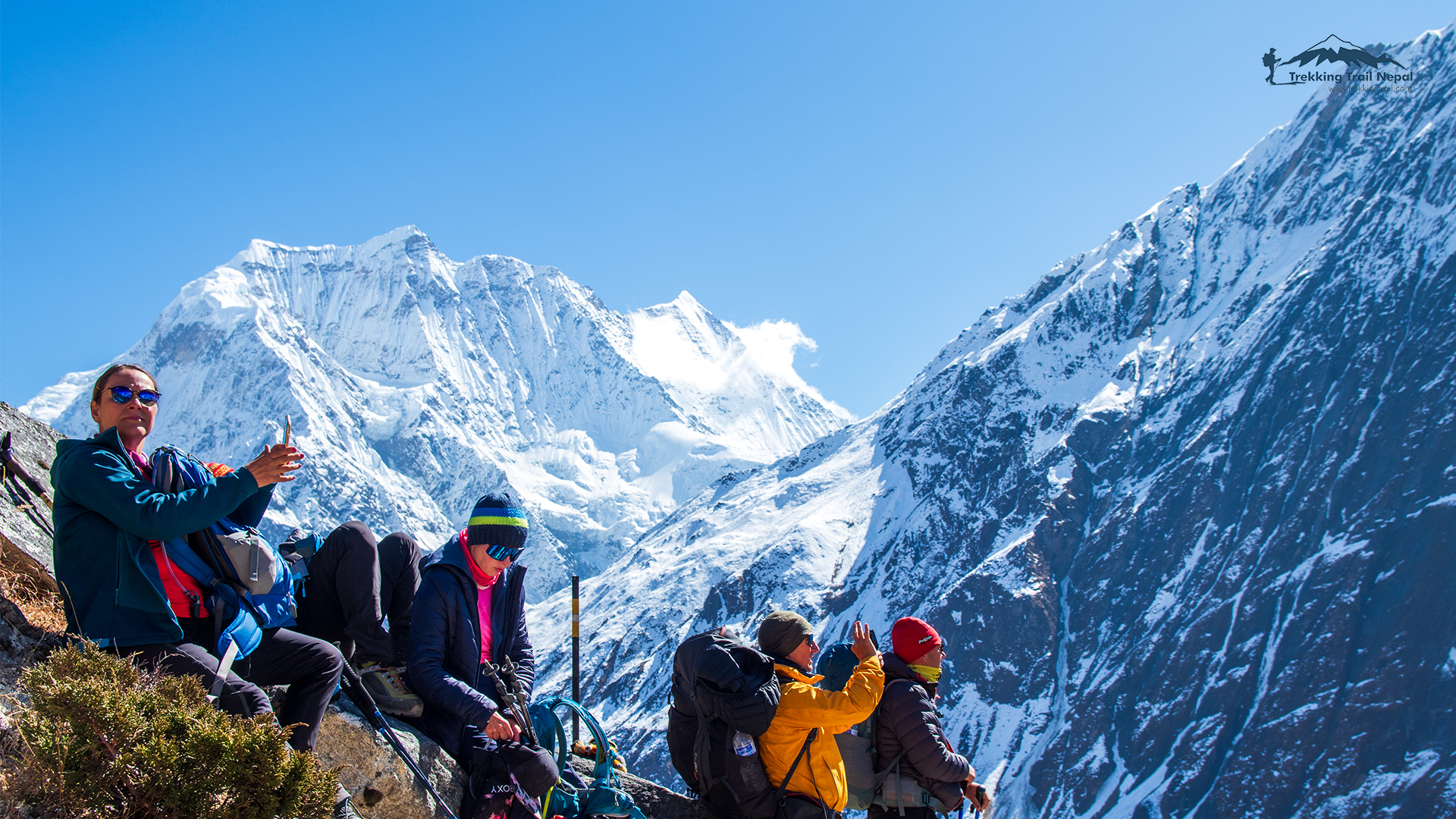
The Short Manaslu Circuit Trek is not just about majestic peaks, it’s heart lies in the character of its villages, each with distinct features, traditions, and scenic charms. Here is a guide to some of the most notable stops along the route, and what makes each one memorable:
Machha-Khola
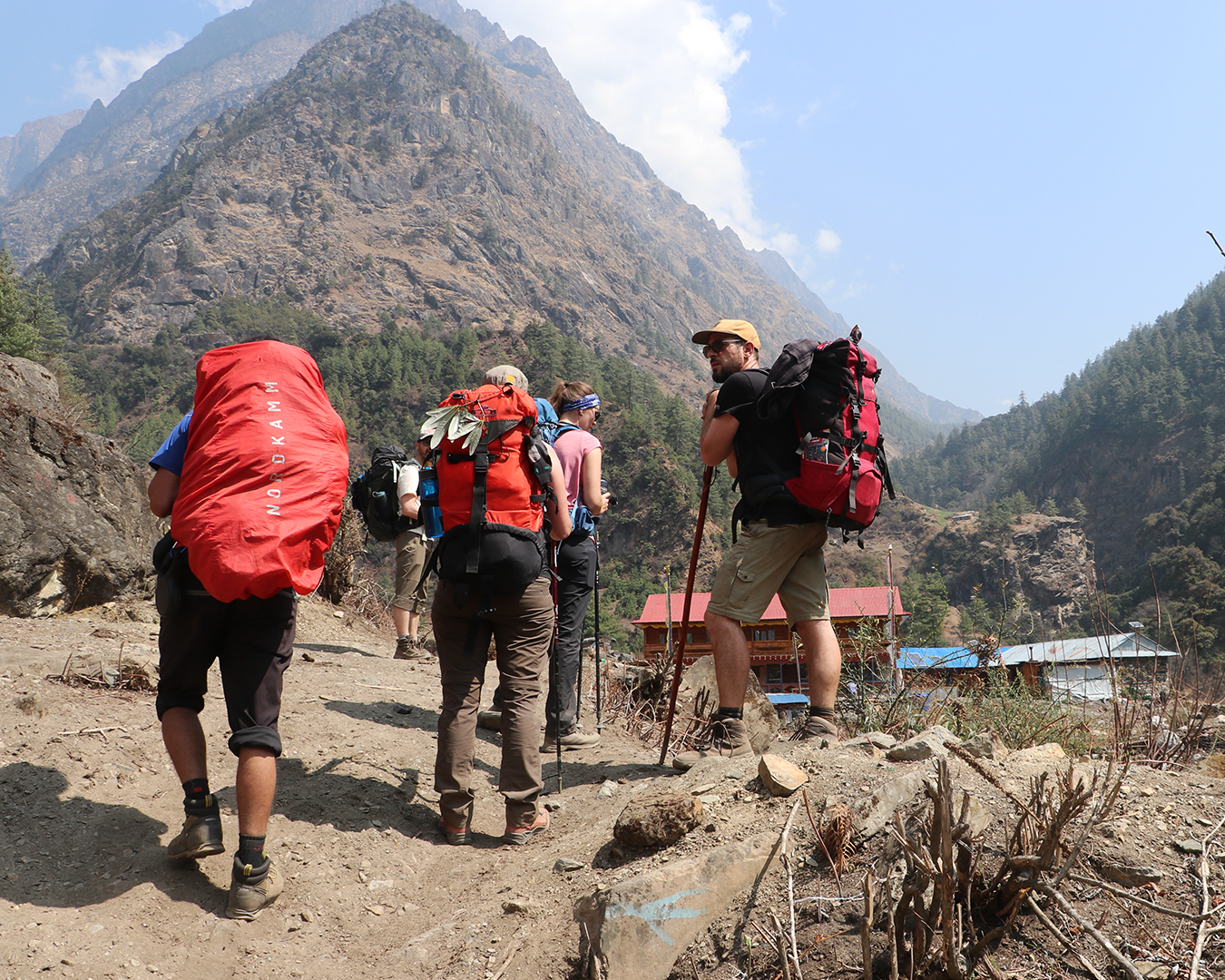
The adventure begins at Machha Khola, a welcoming riverside settlement perched along the Budhi Gandaki. Surrounded by vibrant rice terraces and lush hills, this village is an intersection of Buddhism and Hinduism. Colorful local festivals, such as Dashain and Lhosar, bring the community together, offering trekkers a vivid welcome to rural Himalayan life.
Jagat
From Machha Khola, you’ll climb toward Jagat—the official gateway to the Manaslu Trekking Area. Known for its stone-paved lanes and cheerful Gurung hospitality, Jagat is where the trek’s remote energy first becomes evident. Expect intricate mani walls, prayer wheels, and locals in traditional attire going about their daily lives.
Deng and Namrung
Continuing onwards, the trail winds to Deng—a quiet hamlet steeped in Buddhist culture, flanked by bamboo groves and rustic chortens. Here, the mountain air is fresh, and the village pace is refreshingly slow. Namrung comes next, marking an entry into the upper Manaslu region. It’s bustling with Gurung and Bhotia residents, and offers panoramic sights of Siring Himal and Ganesh Himal, especially stunning at sunrise.
Lho and Shyala
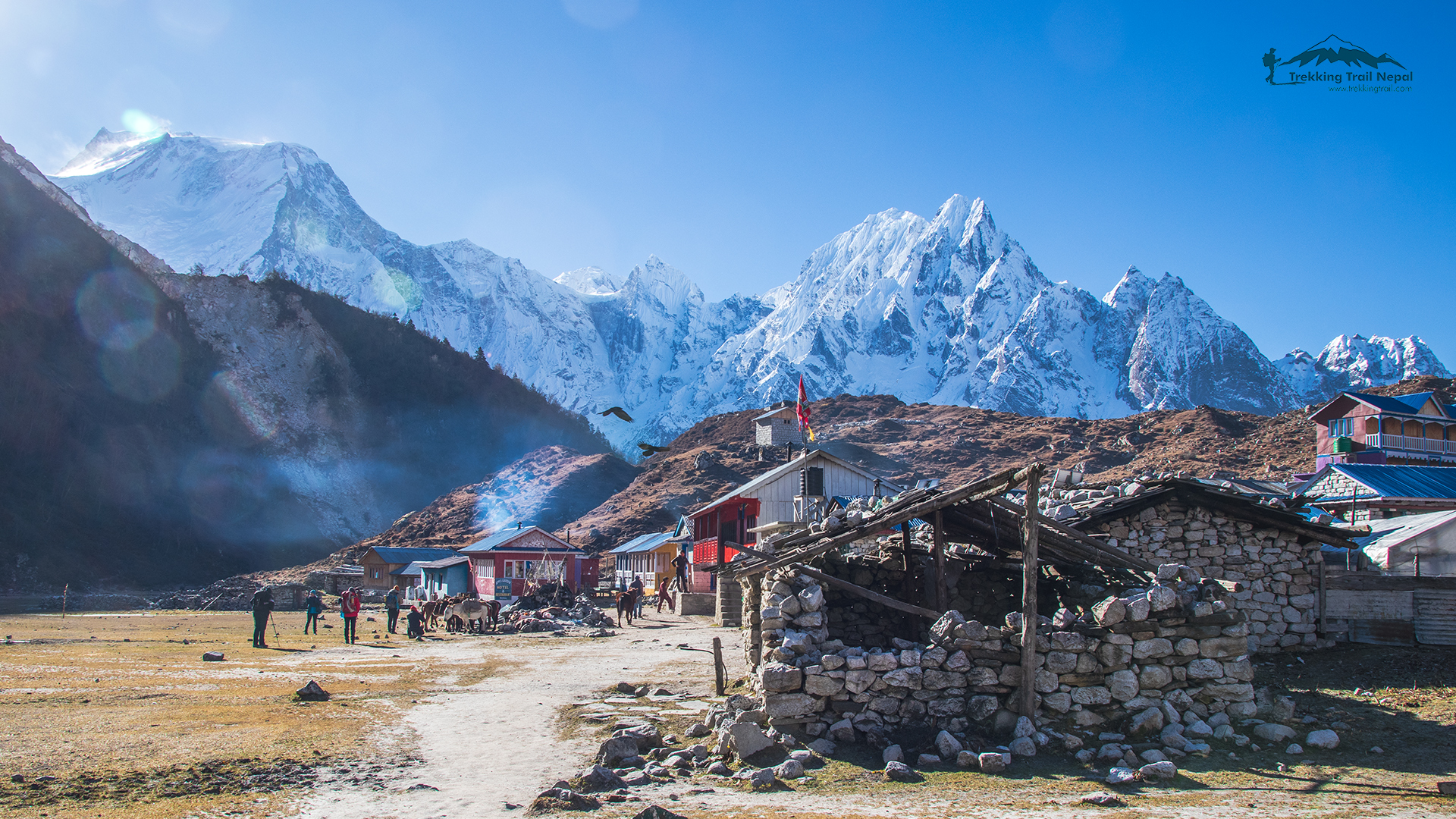
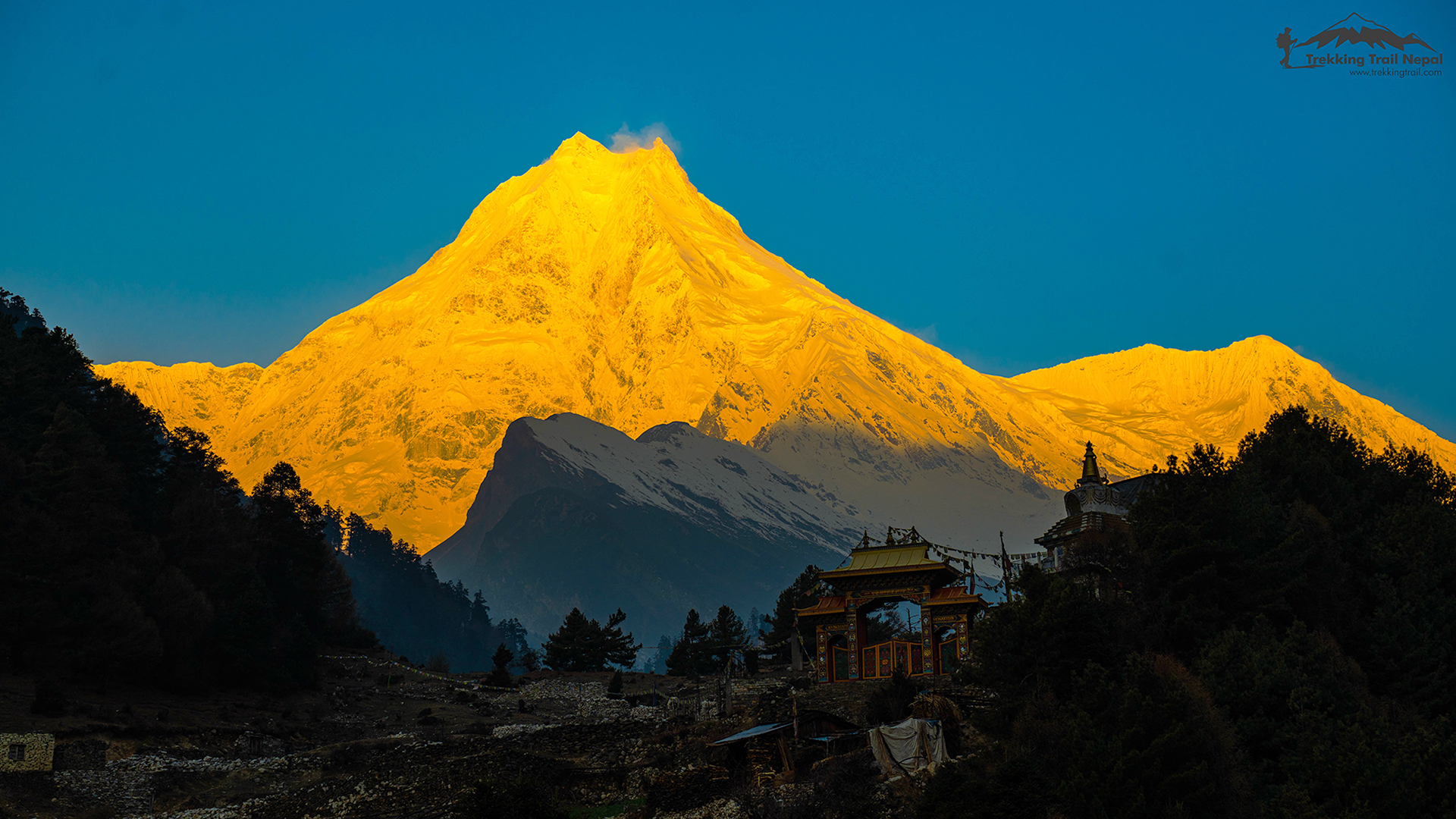
Lho stands out with its vibrant Ribung Gompa monastery and expansive views of Manaslu and neighboring summits. Festivals like Saga Dawa fill the air with spiritual energy. Just beyond, Shyala village surprises with its alpine pastures—home to yak herders—and a dramatic backdrop of snowy spires, painting a true Himalayan wilderness scene.
Samagaun and Manaslu Base Camp
Samagaun, set in a wide mountain bowl, is the major acclimatization stop and home to the Pungen Gompa monastery. The village retains a strong Tibetan influence in both architecture and culture, with prayer wheels and incense hanging thick in the mountain air. From here, side hikes to Manaslu Base Camp provide up-close glacier views and a taste of high-altitude adventure.
Samdo, Dharamshala, and Bhimtang
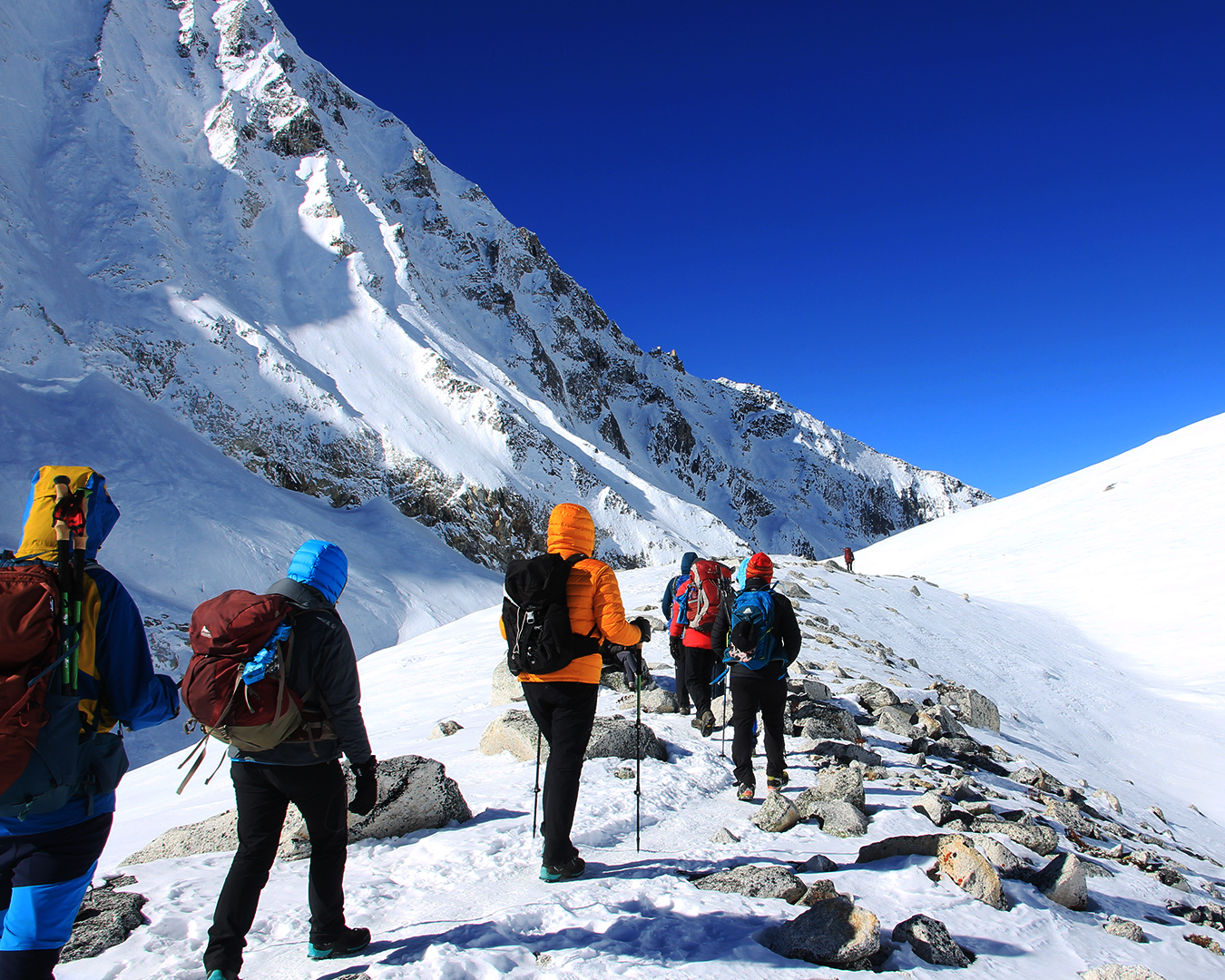
The trail continues to Samdo, a windswept outpost heavily influenced by centuries-old Tibetan customs. Interactions with locals offer insight into high-altitude life, and the dialect here is as distinct as the soaring landscape. Dharamshala is the last rest point before crossing the formidable Larkya La Pass—an exhilarating section draped in prayer flags and surrounded by pristine Himalayan vistas. After the crossing, Bhimtang welcomes trekkers with teahouses and welcome comforts, nestled among forests and rivers.
Dharapani
Finally, the route leads to Dharapani, a milestone that intersects with the famous Annapurna Circuit. This village, lively with trekkers and mule trains, is surrounded by forests rich in rhododendron and pine, capping the trek with a medley of color and mountain tranquility.
Each village along the way reveals a new chapter of cultural diversity and natural beauty—whether in the flutter of prayer flags, the taste of traditional foods, or the stories of families who have called these highlands home for generations.
Manaslu Short Trek Electricity Guide: Stay Connected, Stay Charged
Yes, charging your electronic devices during the trek is possible, but with a few caveats. Most tea houses along the trekking routes do offer charging facilities, though a small additional fee is commonly charged for this service. As you ascend to higher elevations, electricity often comes from solar power, and availability may be limited or slower than you’re used to at home.
It’s a good idea to bring spare batteries, power banks, or even compact solar chargers (like those from Anker or Goal Zero) to ensure your camera, phone, or GPS stays powered up. Charging outlets are typically found in the communal dining areas, not in guest rooms, so plan to top up your devices in the evening over some warm tea.
If you have several gadgets, consider a multi-port USB charger to make the most of your charging time, and always keep your valuables in sight, as charging spots are shared.
Is the Short Manaslu Circuit Trek Beginner-Friendly?
While the Short Manaslu Circuit Trek is an outstanding Himalayan journey, it’s not typically recommended as a first trek for absolute beginners. The trail rises from lush lowlands to high alpine passes, reaching heights of around 5,106 meters, which means trekkers need to be comfortable with long days of hiking, some rugged trails, and significant elevation gain. Good physical fitness and previous experience with multi-day hikes can make the experience far more enjoyable and safe.
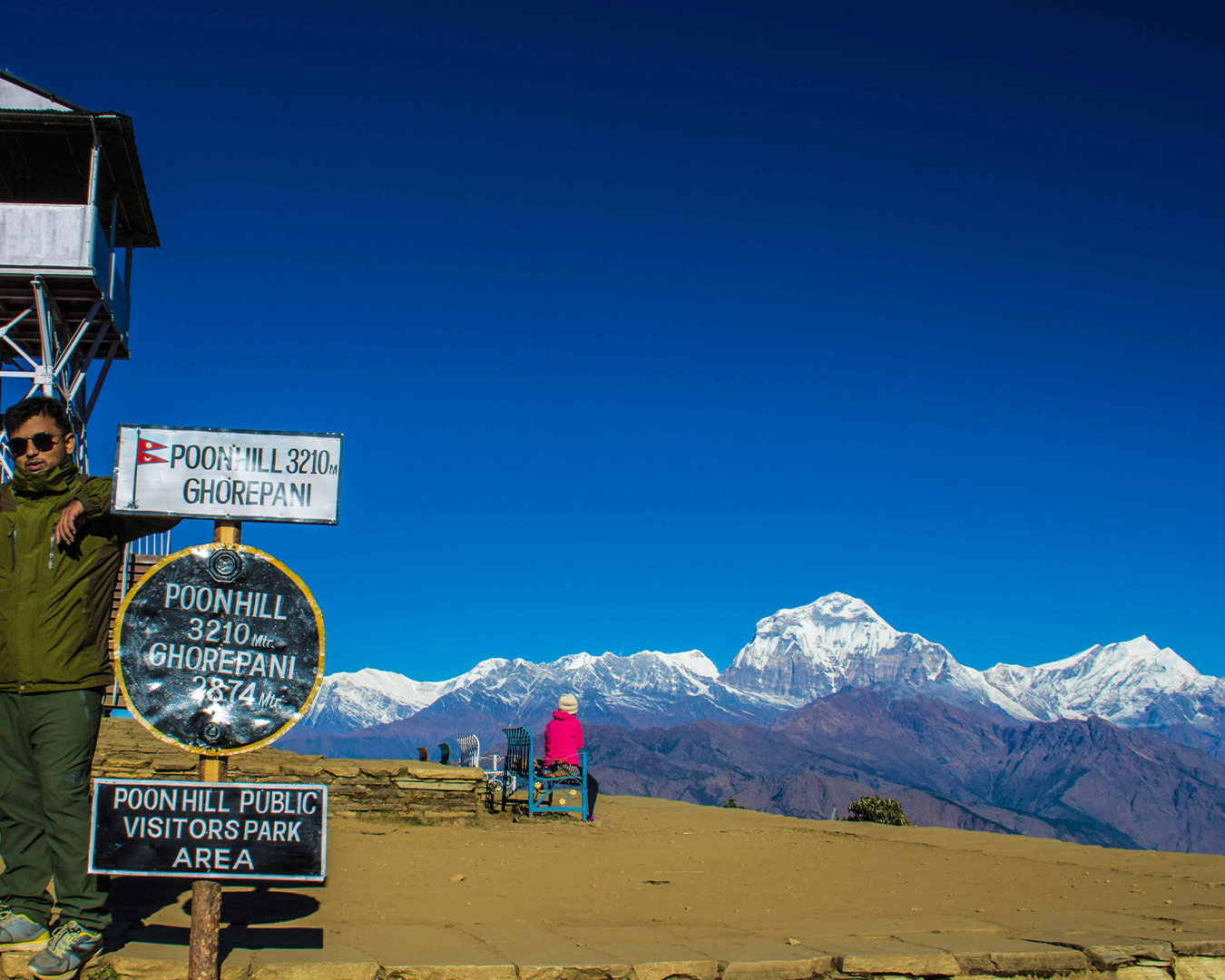
That said, determined beginners who maintain a regular fitness routine and have prepared through day hikes or moderate treks elsewhere might still embrace this adventure. The most important thing? Travel with an experienced guide, pace yourself, and allow your body time to acclimatize to the higher altitudes. If you’re new to trekking but eager for the Manaslu experience, consult with guide services about training recommendations or consider starting with something slightly less demanding, like the Ghorepani Poon Hill or Short ABC Trek, before tackling Manaslu’s wild beauty.
Permit Costs for the Manaslu Trek
Before you embark on the Manaslu Circuit, make sure your paperwork is in order—permits are essential for trekking in this region. Here’s what you need to budget for:
- Manaslu Restricted Area Permit (MRAP):
- Peak season (September–November): $100 USD for the first 7 days, then $15 per additional day.
- Off-season (December–August): $75 USD for the first 7 days, then $10 per additional day.
- Manaslu Conservation Area Project (MCAP) Permit:
- NPR 3,000 (approximately $25 USD).
- Annapurna Conservation Area Project (ACAP) Permit:
- NPR 3,000 (approximately $25 USD).
Remember to carry your passport (with a valid Nepal visa) and a few passport-sized photos for all permit applications. The combined cost covers entry to the protected regions along your route and ensures your adventure supports local conservation efforts.
Scheduled Group Departures and Pricing
For the 2026 trekking season, we are pleased to offer a series of fixed group departures for the Short Manaslu Trek. Whether you’re traveling solo and hoping to join like-minded adventurers, or gathering friends together for a shared experience, you’ll find flexible options to suit your calendar.
Upcoming Scheduled Group Departures:
- March 22, 2026 – April 3, 2026
- April 29, 2025 – May 10, 2026
(Additional dates available from February through December 2026—contact us for the full schedule.)
Group Trek Price:
- US $999 per person (all departures)
All listed group treks are guaranteed departures—no need to worry about last-minute cancellations due to lack of numbers. If the fixed dates above don’t quite match your plans, custom private departures can be arranged to accommodate your preferred timeline. Just get in touch with our local experts, and we’ll tailor the experience to your needs.
Book Now or Request Your Own Dates to get started on your Manaslu adventure!
Daily Trekking Distances and Hours
On the Short Manaslu Circuit Trek, expect to spend around 6 to 7 hours walking each day. Some days may stretch a bit longer, particularly when you approach challenging sections like the Larkya La Pass. The trails vary in length and elevation, with some gradual ascents, occasional steep climbs, and the occasional stretch of easier walking along the riverbank or through alpine meadows.
While these long days can be demanding, strategically placed rest and acclimatization days are included in the itinerary to help your body adjust to the altitude. The journey’s rhythm—balancing steady trekking with periods of rest—ensures you are prepared for the high passes and can fully appreciate the stunning changes in landscape and culture along the way.
Each day’s distance typically ranges from 10 to 20 kilometers, depending on the terrain and specific stopovers. You’ll have plenty of time to enjoy the scenery, explore villages, and unwind at local teahouses after a rewarding day on the trail.
Cultural Encounters and Festivals Along the Manaslu Circuit
A journey through the Manaslu Circuit is just as much a cultural exploration as it is a trek through breathtaking landscapes. With every step, you’ll find the traditions, beliefs, language, and daily lives of the local people intricately woven into the trail itself.
Throughout the trek, trekkers become part of a living tapestry of Buddhist and Hindu traditions. Passing through villages like Machha Khola and Lho, you’ll notice the colorful harmony of prayer flags and decorated stone mani walls, and might hear the distant hum of monastic chants drifting from a nearby gompa. Traditional homes, local costumes, and age-old customs offer a unique look into rural mountain life—instantly connecting visitors with centuries-old heritage.
Festivals and Celebrations on the Trail
If your timing is right, you’ll have the chance to witness—and sometimes partake in—a variety of vibrant festivals celebrated by the communities along the route:
- Lhosar (Tibetan New Year): Marked by lively dances, vibrant costumes, and plenty of communal feasts, this festival brings a special energy to monasteries and homes, especially in Lho and Samagaun.
- Dashain and Tihar: Celebrated mostly in the lower villages, these Hindu festivals color the region with lights, music, and families gathering for special rituals.
- Saga Dawa: This major Buddhist festival, usually observed in May, fills places like Ribung Gompa and the monasteries of Samagaun and Shyala with prayers, religious ceremonies, and festive gatherings in honor of the birth, enlightenment, and death of Buddha.
- Dumje: Taking place in July, this festival marks a time of spiritual offerings and community bonding, with locals coming together for prayers and celebrations.
- Local Yak Herding Festivals and Tiji: In villages like Samdo and Shyala, these events are celebrated with unique dances, songs, and a glimpse into the pastoral traditions that still thrive here.
Each of these festivals blends religious rituals with everyday mountain life. Whether you’re spinning prayer wheels, tasting traditional food during celebrations, or simply joining locals in communal gatherings, these moments add a profound, immersive dimension to your trek. Being present for any of these cultural events is a privilege—offering you not just panoramic Himalayan views, but also lasting memories of the people who call these mountains home.
Accessing the Short Manaslu Trekking Route Map
To help you plan your adventure and visualize your path, a detailed trekking route map of the Short Manaslu Circuit—including the stunning detour through Tsum Valley—is available for download. This map outlines the key points along the journey, showcasing villages, major passes like Larkya La, rest stops, and highlights such as river crossings and viewpoints.
Whether you’re checking your progress using GPS on your smartphone or simply tracing the trail each night in the lodge, having the map handy enhances both preparation and enjoyment. We recommend referring to trusted, official sources such as Himalayan Map House or the National Geographic Adventure series, which consistently provide up-to-date and trekker-friendly mapping.
Download the digital version in advance, save an offline copy to your device, or pick up a printed version in Kathmandu before your trek—it’s your passport to confidence on the trail!
WHAT FACILITIES CAN BE EXPECTED IN TEA HOUSES AND HOMESTAYS DURING THE TREK?
Along the trekking route, your nights will mostly be spent in traditional tea houses—simple yet welcoming homes owned and operated by local families. These tea houses are an integral part of rural Himalayan life, offering trekkers a firsthand experience of the local culture and hospitality. Instead of the luxury you might find in city hotels, expect practical and cozy essentials designed to keep you comfortable after your day’s journey.
Rooms typically feature twin beds outfitted with clean sheets and thick blankets, perfect for keeping out the evening chill. As you climb higher, the accommodations grow more basic, and rooms may become colder, but you’ll always find a communal area, often heated by a stove, where trekkers gather to swap stories and share laughter over meals. Shared bathrooms are the norm, with hot showers available in some lower-altitude lodges—although, as you get higher, the promise of a hot shower becomes less certain.
Homestays have grown in popularity and offer another authentic option along the trail. Staying with a local family means an extra dose of cultural immersion—sharing meals, joining in daily routines, and forging connections you won’t soon forget. Meals in both tea houses and homestays are typically hearty, home-cooked fare: expect plenty of dal bhat (the famous Nepali lentil and rice dish), fresh vegetables, and comforting cups of tea.
Above all, these stays contribute directly to the local economy and are built on principles of sustainability. By choosing these accommodations, you’re doing more than simply finding a place to rest; you are supporting the communities that make these remote trails so extraordinary.
What Amenities Can I Expect Along the Trek?
Throughout your Short Manaslu Trek, you’ll find that creature comforts aren’t entirely left behind. On most major stops—especially villages like Bhimthang—you’ll be welcomed by warm, inviting teahouses ready to restore your tired legs after a day’s adventure. Expect simple but welcoming rooms, hearty local meals, and the option of hot showers (for a small fee—so carry some extra Nepalese rupees). Some teahouses have also caught up with modern trekkers’ needs, offering Wi-Fi access—just don’t bank on lightning-fast speeds in the mountains.
A few tips to keep things smooth:
- Teahouse menus offer both Nepali and international dishes, from dal bhat to pancakes.
- Electricity is generally available to charge your gadgets, powered by generators or solar, just bring your own universal adapters as plug types can vary.
- As you climb higher, amenities get more basic, but you’ll still find the essentials: cozy bedding, friendly faces, and plenty of hot tea.
With all that taken care of, you can focus on soaking in the Himalayan vistas without distraction.
Transport Costs: Bus vs. Private Jeep to the Manaslu Trek Starting Point
When planning your trip from Kathmandu to the trailhead at Maccha Khola, you have two main transport options depending on your comfort, schedule, and budget:
- Public Bus Fare: Expect to pay approximately $10 USD per person for a bus journey from Kathmandu (Gongabu Bus Park) to Maccha Khola. The bus departs early in the morning (around 6-7 am) and gives you a genuine taste of local Nepali travel—think crowded aisles, plenty of character, and, occasionally, a bumpy ride.
- Private Jeep Hire: For those seeking more space, comfort, and flexibility, hiring a private 4WD jeep is an option. The cost is roughly $200 USD for the journey from Kathmandu to Maccha Khola. This can be a good value if you're traveling as a small group, as the price is per vehicle, not per person.
Whether you go for the authentic bus experience or the convenience of a private jeep, both options will get you to the starting point of your Manaslu adventure—so it's all about choosing what best suits your travel style and group size.
WHAT FOOTWEAR IS SUITABLE FOR THE MANASLU TREK?
Choosing the right footwear is essential for a comfortable and safe journey along the Manaslu trail. We highly recommend sturdy, waterproof trekking boots with good ankle support to withstand the rocky and sometimes slippery terrain you’ll encounter. Your boots should be well broken in before your trek to avoid blisters and discomfort.
Additionally, bring several pairs of moisture-wicking trekking socks to keep your feet dry and warm, as the temperatures can drop significantly, especially at higher altitudes. For relaxing at your lodge or teahouse after a long day on the trail, lightweight camp shoes or comfortable sandals are a great option, giving your feet a much-needed rest while moving around indoors. Selecting the right footwear can truly enhance your trekking experience and help prevent common issues, such as sore feet or cold toes.
Bus vs. Private Jeep: Getting to the Trailhead
One of the early decisions you'll face is how to get from Kathmandu to your trekking starting point—bus or private jeep. Each option comes with its own set of perks and hurdles, so let's quickly break them down to help you choose:
Traveling by Local Bus:
- Pros: The local bus is by far the most economical way to join the adventure, with fares as low as $10. Catch an early ride from Gongabu Bus Park and experience the sights and sounds of everyday Nepali travel—perfect if you want to soak up authentic local culture before you even set foot on the trail.
- Cons: Be ready for a bit of a squeeze. Legroom can be limited, and seating is rather snug. Bags often end up tied atop the bus, which means keeping an extra eye on your gear during bumpy stretches. Flexibility is minimal; buses make designated stops, leaving you little room to stretch or pause for a snack when you wish.
Opting for a Private Jeep:
- Pros: While the price tag is much steeper (roughly $200 per trip), sharing the cost with fellow trekkers can make it manageable. A jeep offers plenty of personal space and secure luggage storage, plus the all-important flexibility to stop for photos, snacks, or leg-stretches whenever the mood strikes. The smoother ride is especially welcome after a long flight or if you want to arrive at the trailhead well-rested.
- Cons: Cost is the main drawback unless you split it with a group.
Final Thoughts:
No matter how you travel, expect some bumpy roads—it's all just part of the adventure in the Himalayas! Choose the mode that best fits your comfort level and budget, and the mountains will be waiting, no matter how you arrive.
The Role of Local Communities on the Short Manaslu Circuit Trek
What truly sets the Short Manaslu Circuit Trek apart is the warmth and vibrancy of the people you meet along the journey. As you move from one village to the next, it’s clear that the hospitality of the residents forms the heart of the trekking experience. Villagers—ranging from Gurung and Bhotia communities to Chhetri and Tibeto-Burman groups—greet trekkers with open arms, their smiles genuine and ever-present. Whether you’re stopping for a cup of hot butter tea or settling into a teahouse after a long day, you are made to feel welcome as an honored guest.
These local hosts are much more than warm welcomers. Their teahouses are now the backbone of comfort and nourishment for trekkers, replacing the old days of tented camps. Many families run these teahouses and small lodges, preparing fresh, home-cooked meals with locally sourced ingredients. The menus are often a flavorful mix of Nepali classics—think dal bhat—as well as Tibetan specialties like thukpa and momos. Every meal is served alongside stories of life in the mountains, and it’s not unusual to be invited to participate in local festivals and celebrations if you’re passing through during Dashain, Tihar, Lhosar, or other vibrant events.
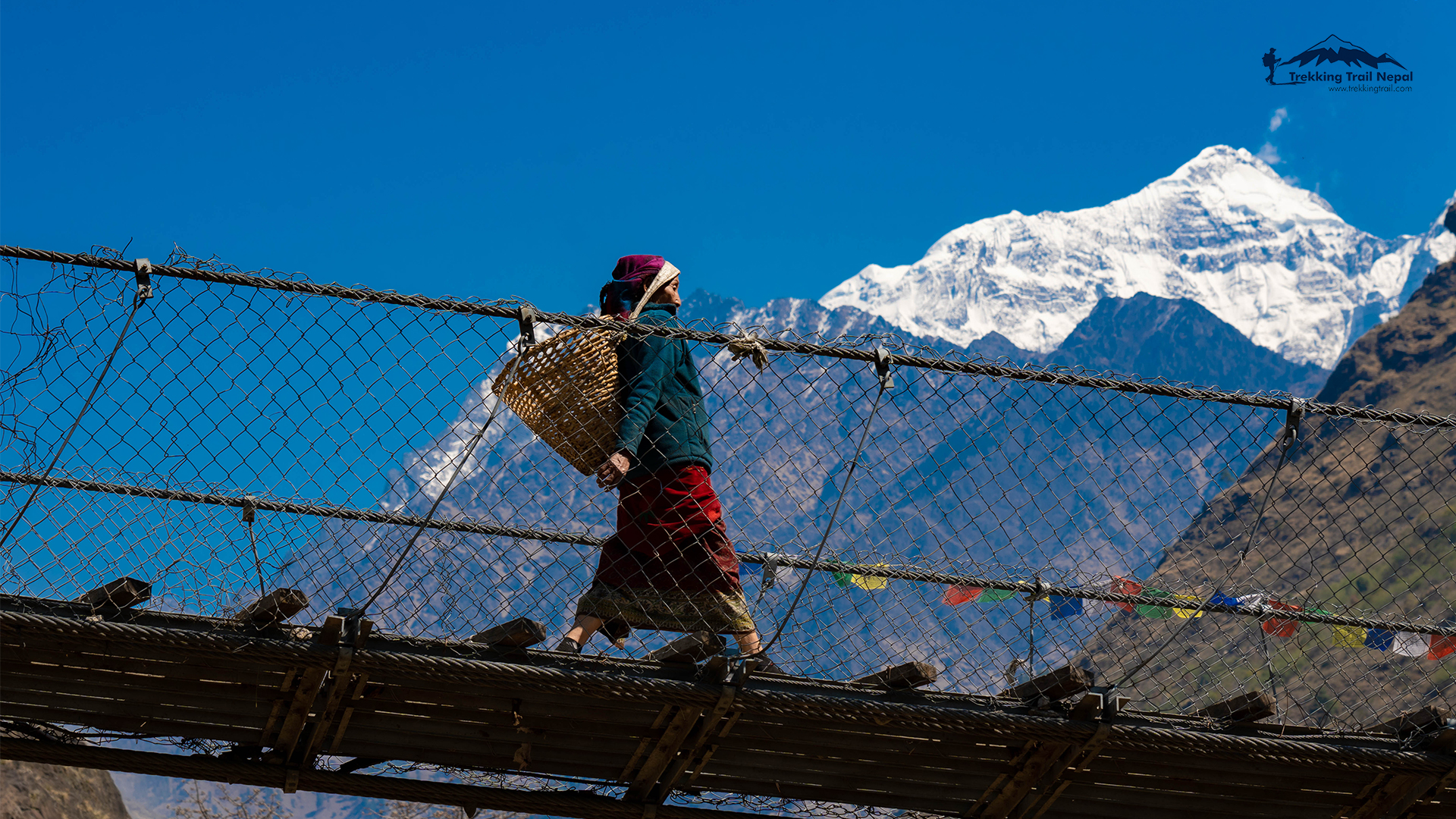
Culture is woven into every element of the trek, guided by those who call Manaslu home. Along the trail, you’ll see children in traditional dress, communities spinning yak wool, and elders turning prayer wheels outside ancient monasteries. At every stop, residents openly share their customs and traditions—from offering guided tours of village gompas to explaining the significance of prayer flags, mani walls, and ornate chortens. Their daily lives, steeped in centuries-old Buddhist and Hindu practices, are on display for the respectful traveler willing to pause and learn.
The trek is also a window into the social fabric of these Himalayan villages. Farmers tending rice terraces, herders moving goats and yaks across high pastures, and artisans creating detailed thanka paintings or prayer beads are not just background scenery. They invite curious conversations and occasionally allow trekkers to join in daily rituals or lend a hand with the harvest. These shared moments foster genuine cultural exchange and lasting memories.
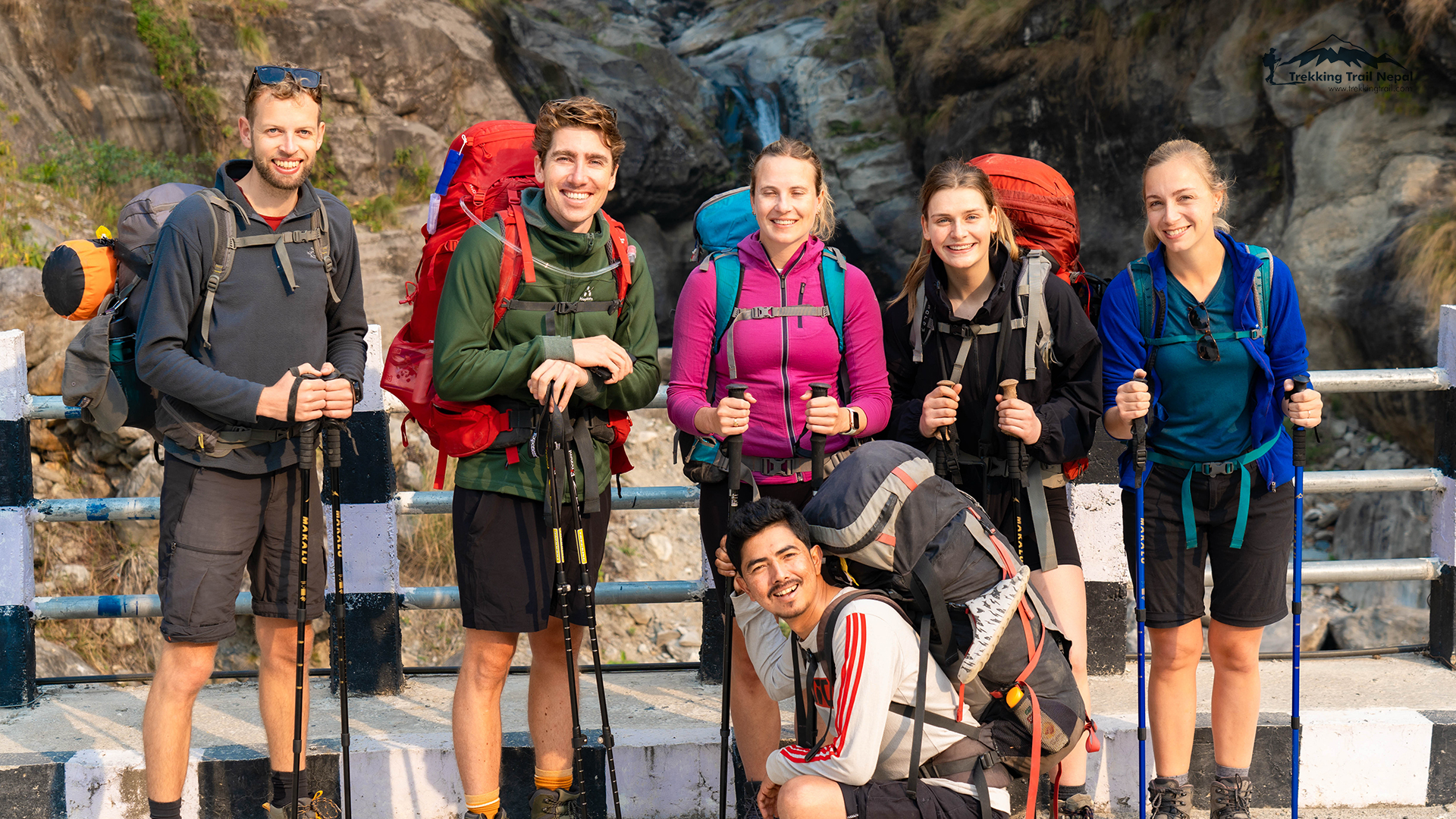
Above all, the resilience and resourcefulness of the mountain people ensure trekkers can safely traverse remote landscapes. Local guides and porters offer invaluable knowledge of the region—navigating tricky sections, sharing the best viewpoints, and interpreting the often-blurred boundaries between nature and spirituality. Their stewardship keeps trails safe and villages thriving, enabling the uniquely immersive experience that Manaslu promises.
Travelers leave the Manaslu Circuit not just with breathtaking photographs and summit stories, but with a deeper appreciation for the communities who keep the spirit of the Himalayas alive. The kindness, guidance, and cultural richness provided by these residents are what transform a trek into an unforgettable adventure.
Porter Services: Available Upon Request
If you prefer to trek hands-free and enjoy the journey without the burden of your backpack, porter services are available on request. For every two trekkers, a porter can be arranged at a total cost of $300, which covers all aspects—salary, meals, accommodation, transportation, and insurance during the trek. That works out to just $150 per person for the entire itinerary, ensuring you experience the Manaslu Circuit with added comfort and ease. Simply let us know in advance if you wish to include a porter in your adventure.
Related Trekking Packages Near Manaslu
If you are looking to explore more of the breathtaking Himalayan landscapes or want to take on a longer or more immersive adventure, here are a few popular itineraries in the Manaslu and Tsum Valley regions that you might want to consider:
- Manaslu Circuit Trek: A classic journey around the majestic Manaslu massif. This trek is a favorite for those seeking a challenging route, taking you through lush forests, traditional villages, and across the impressive Larke Pass. Usually completed in about 17 days, it's an excellent blend of scenery, culture, and adventure.
- Manaslu & Tsum Valley Trek: For travelers wishing to dive deeper into the spiritual heart of the region, this itinerary extends your route through the tranquil Tsum Valley. You’ll visit hidden monasteries, encounter welcoming locals, and witness untouched traditions. Typically, this journey spans around 24 days, offering a more in-depth exploration for avid trekkers.
- Tsum Valley Trek: If your interest lies in the cultural treasures and quiet trails, the Tsum Valley Trek focuses exclusively on this unique, less-traveled area. Expect moderate difficulty and a journey of about 17 days, rich with mountain vistas and vibrant Gompas.
Each of these routes offers its own unique slice of the Himalayas. Whether you prefer additional days on the trail or are curious about the spiritual corners of Nepal, there’s a package to match your adventure style.
HOW CAN TREKKERS ENSURE A SAFE WATER SUPPLY DURING THE MANASLU TREK?
Along the Manaslu trekking route, drinking water is readily available at most teahouses and lodges—you’ll typically find both bottled and boiled water on offer. However, keep in mind that as you climb higher in the mountains, the cost of bottled water increases significantly. We encourage trekkers to bring a durable, reusable water bottle and refill it as you go.
For safety and health, it’s wise to purify your water. Local tap water may not always be safe to drink directly, so we highly recommend you bring water purification tablets or a portable water filter such as those from Sawyer or LifeStraw. This way, you can fill up from local sources and render the water safe for drinking, all while reducing plastic waste in the fragile Himalayan environment.
Don’t forget to carry a few packets of electrolyte powder or rehydration salts, too—these can be helpful on longer trekking days when you’re working up a good sweat. Staying well-hydrated is essential for your comfort and for acclimatizing properly to the altitude.
Seasonal Highlights: Flora and Fauna Along the Manaslu Circuit
The Manaslu region is a treasure trove for nature lovers, offering a changing kaleidoscope of wildlife and plant life depending on the season you visit.
Spring (March to May) is the time when the forests truly come alive. The hillsides are ablaze with vibrant rhododendron blooms—shades of red, pink, and white light up the lower trails, giving trekkers a colorful welcome. Pine, spruce, oak, and juniper remain ever-present, but it's the rhododendron that steals the springtime show. This burst of new life also attracts a variety of fauna. Musk deer and Himalayan thar become more active, and if you keep a sharp eye, there’s a chance to spot elusive snow leopards or even a red panda hiding in the thick undergrowth. Playful langur monkeys might make a surprise appearance, while Himalayan marmots poke their heads out from rocky hideaways as the days warm up.
Autumn (September to November), on the other hand, offers the best of Himalayan wildlife watching. The air is crisp, the skies are crystal clear, and the landscape is dotted with golden hues as foliage changes. Himalayan marmots are particularly easy to spot as they fatten up for the colder months, and wild yaks occasionally graze in alpine meadows near the higher passes. The forests remain dense with spruce, oak, and pine, offering a habitat for smaller animals like squirrels and feral cats, and birdsong fills the still mountain air.
Each season brings with it distinct encounters, from blooming flowers to bustling animal activity—making the Manaslu Circuit a living, breathing gallery of Himalayan biodiversity.
HOW CAN TREKKERS CHARGE THEIR ELECTRONIC DEVICES ALONG THE TREKKING ROUTE?
Charging your electronic devices during the trek is quite manageable, but it does require a little planning and flexibility as you gain altitude. In the lower villages and tea houses, you can typically find charging points either in your private room or in communal areas. Often, these are available free of charge at lower elevations, making it easy to keep your camera and mobile phone ready for those breathtaking mountain shots.
As you progress to higher altitudes, access to charging becomes more centralized. Tea houses offer charging facilities, usually located in the main dining hall, and a modest fee is charged per device. The exact price can vary from village to village, but it's wise to carry some small denominations to cover these costs. Charging times can also be limited in busier lodges, especially during peak trekking seasons.
Solar energy is increasingly popular in the high Himalayas, so you'll see solar-powered chargers set up in some remote tea houses—especially when the sun is shining. The efficiency of these setups largely depends on weather conditions, so cloudy days might affect charging speed. For those looking to stay extra prepared, we recommend bringing along a portable power bank (fully charged before departure) and extra batteries for your essential devices.
Overall, you should not face significant challenges in keeping your electronics charged, except perhaps in particularly remote sections like Dharamsala, where charging options may be limited. A flexible approach and a little forward thinking will keep your devices powered throughout your adventure.
WHAT TRADITIONAL NEPALI AND TIBETAN DISHES CAN TREKKERS EXPECT TO TRY ON THE TREK?
Food is more than just fuel here—it’s a true part of the trekking adventure. The most celebrated meal along the trails is dal bhat. This classic Nepali staple features steamed rice, lentil soup, a colorful assortment of vegetable curries, and some bold homemade pickles. The best part? Seconds (and thirds) are always welcome. As the saying goes on the trail: “Dal bhat power, 24 hour”—a motto that perfectly captures just how vital and sustaining this meal is for trekkers.
You won’t want to skip out on momos either. Resembling Tibetan dumplings, these tasty bites are stuffed with either fresh veggies or minced meat, then served hot with spicy dipping sauces that will warm you up on chilly Himalayan nights.
Trekkers will also come across hearty Tibetan specialties like thukpa (a warming noodle soup) and thenduk (hand-pulled noodle soup), both perfect for refueling after a long day’s walk. Menus often feature a surprising amount of variety, with familiar Western favorites such as pancakes, pasta, and even slices of homemade apple pie mixed in with local fare.
If you reach higher altitudes, keep an eye out for unique Himalayan treats like yak cheese—something truly special you’re unlikely to find back home. Altogether, the meals you’ll encounter are simple yet delicious and packed with the nourishment you’ll need to keep trekking strong.
WHAT TRADITIONAL NEPALI AND TIBETAN DISHES CAN TREKKERS EXPECT TO TRY ON THE TREK?
Food is more than just fuel here—it’s a true part of the trekking adventure. The most celebrated meal along the trails is dal bhat. This classic Nepali staple features steamed rice, lentil soup, a colorful assortment of vegetable curries, and some bold homemade pickles. The best part? Seconds (and thirds) are always welcome. As the saying goes on the trail: “Dal bhat power, 24 hour”—a motto that perfectly captures just how vital and sustaining this meal is for trekkers.
You won’t want to skip out on momos either. Resembling Tibetan dumplings, these tasty bites are stuffed with either fresh veggies or minced meat, then served hot with spicy dipping sauces that will warm you up on chilly Himalayan nights.
Trekkers will also come across hearty Tibetan specialties like thukpa (a warming noodle soup) and thenduk (hand-pulled noodle soup), both perfect for refueling after a long day’s walk. Menus often feature a surprising amount of variety, with familiar Western favorites such as pancakes, pasta, and even slices of homemade apple pie mixed in with local fare.
If you reach higher altitudes, keep an eye out for unique Himalayan treats like yak cheese—something truly special you’re unlikely to find back home. Altogether, the meals you’ll encounter are simple yet delicious and packed with the nourishment you’ll need to keep trekking strong.
Getting Your Nepal Visa On Arrival
One of the best parts about planning your Short Manaslu Circuit Trek is how simple it is to sort out your visa. Yes, you can absolutely get a visa on arrival in Nepal! As soon as you land at Tribhuwan International Airport in Kathmandu, the visa process is straightforward and traveler-friendly—no need to stress over paperwork in advance.
For those entering Nepal from neighboring countries, you can also obtain your visa at several land entry points like Birgunj, Kakarbhitta, Bhairawa, Belhiya, Nepalgunj, Dhangadi, and Mahendranagar. Even coming in from Tibet via the Kodari Pass? You’re covered there as well.
Just bring your valid passport, at least a couple of passport-sized photos, and the necessary visa fee (in US dollars is always handy). With that taken care of, you’re all set to start your adventure without unnecessary delays.
We Don't Need 1 Working Day for the Short Manaslu Trek Permit
Before starting this Short Manaslu Circuit Trek with Trekking Trail Nepal, we did not need 1 full working day to complete the procedures of the Nepal Government, to get Restricted Trekking Permits and other procedures. To this day is not counted in the Itinerary of Short Trekking to Manaslu. We just need 3 Photographs, an Original Passport (after you arrive in Nepal with a visa ), and your original Flight details to issue the special trekking permits for the Short Manaslu Trek. In addition to this, payments must be in US$ on this day. A minimum of $ 250 per person, but you must pay 50% payment before the start of the trek. In short, just arrive in Kathmandu, and the Next Day you can start the Short Manaslu Circuit Trek
Itinerary of Short Manaslu Trek
This Short Manaslu Trek Itinerary is a special package for all who have the ultimate dream of the Manaslu Trek with a basic fitness level. However, the days below are a little long for you, as 15 days of Manaslu Classical Trekking.
- Day 5 Deng to Namrung
- Day 6 Namrung to Samagaon
- Day 7 Manaslu Basecamp / Birendra Tal
These days are a little longer than usual for trekking. You must prepare to start trekking as early as possible, especially on days 5, 6, and 7. If you want to take an extra day in any place in this Short Manaslu Trekking, like in Samdo or Bimthang, you must pay US$ 100 Per Person Per Day to the guide, which covers your food, Trekking Guide, and Porter charges.
Other Notes for Manaslu Trek 11 Day
- At your request, Trekking Trail Nepal manages the extra night hotel in Kathmandu before or after this Short Manaslu Larkya La Pass Trek.
- If you want to end this Short Manaslu Circuit Trek in Pokhara on the 11th day, we will manage the final drop to Pokhara.
- If you are willing to customize this Short Manaslu Trek, here at Trekking Trail Nepal, we love to offer you a tailor-made Trekking Package in Nepal to fit your needs.
We also have 10 Days Shortest Manaslu Trek Itinerary without rest days, but it includes acclimatization hikes in 3 different places, like Samdo, Samagaun, and Dharmasala. On your Request we can customize 10 Days Short Manaslu Trek to 14 Days or even 21 Days.
Please Note: For a single person Short Manaslu Circuit Trek, the Jeep transportation will be shared with other related travellers on the first and last day.
Shortest Manaslu Trekking Itinerary:
Day 01: Drive from Kathmandu to Maccha Khola on a private Jeep.
Day 02: Maccha Khola to Jagat (checkpoint)
Day 03: Jagat to Deng
Day 04: Deng to Namrung
Day 05: Namrung to Samagaon
Day 06: Rest day in Sama. Acclimatization hike to Manaslu Basecamp and Birendra Lake.
Day 07: Samagaon to Dharmashala. Later Hike to Upper Dharmasala for better acclimatization.
Day 08: Dharmashala to Bhimthang
Day 09: Trek to Dharapani, overnight in the lodge.
Day 10: Drive back to Kathmandu via Beshi Sahar, End of Short Manaslu Trek.
Some other Facts about the Short Manaslu Circuit Trekking 2026
- Grade: Moderate to Difficult for some days, as the itinerary is long.
- Altitude: 5200 m. approximately, which is known as Manaslu Larkya La Pass.
- Trek type: Hike for approximately 6 hours a day.
- Accommodation: Teahouse.
- Duration: 11 days, Trekking only. (Not counting any arrival and departure days and Permits working days, which is a must.)